What Makes Fly Selection on the Snake River Different?
There’s something so special about watching a trout rise to a fly. To many, it seems like sheer luck, but every successful cast starts long before the line touches the water. The first step is understanding the ins and outs of the river you’re on.
The Snake River is home to a diverse ecosystem of aquatic insects such as mayflies, caddisflies, stoneflies, and midges. Fly fishermen and guides here don’t pick flies because they look cool, they choose one based on what bugs the fish are eating. In short: match your fly to what’s hatching, and the river will tell you the rest.
What Are the Trout Eating on the Snake?
A trout’s menu changes throughout the year based on what insects are around. Here on the Snake, that mostly means feeding the native Snake River fine-spotted cutthroat trout, along with mountain whitefish.
Some insects spend much of their lives underwater, while others live right along the banks and only occasionally fall into the river. This creates several different food sources and options for the fish below, and for the guides looking to recreate them. Mayflies, for instance, are one of the most recognizable and readily available food sources for trout. They begin life underwater and eventually rise toward the surface, emerging as adults. During a mayfly hatch, trout become very focused on the insects, especially when they’re sitting right on the surface of the water.
Some other insects popular on the Snake River during the spring, summer, and fall are caddisflies. Their larvae live underwater before eventually emerging as small, moth-like adults. Stoneflies are another exciting one for anglers because they can grow quite large. Stonefly nymphs crawl along the river bottom before moving toward the shore and then emerging as adults. With the sheer size of these insects, many fish key in on them.

How to Choose the Right Fly for the Snake River
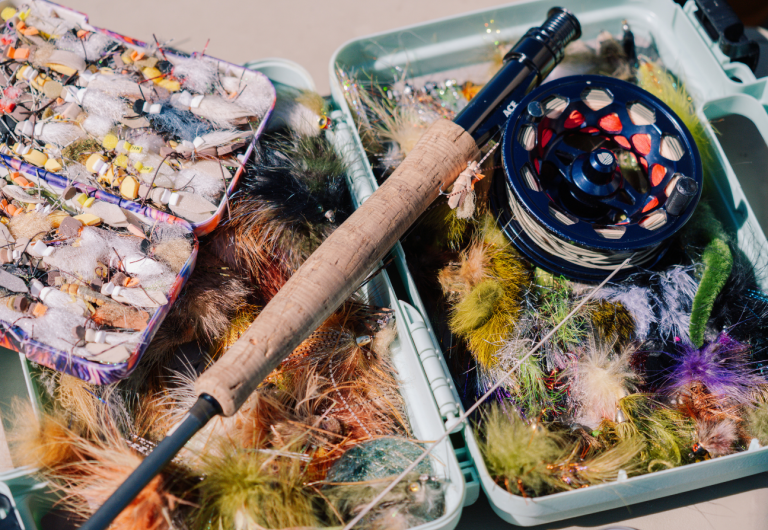
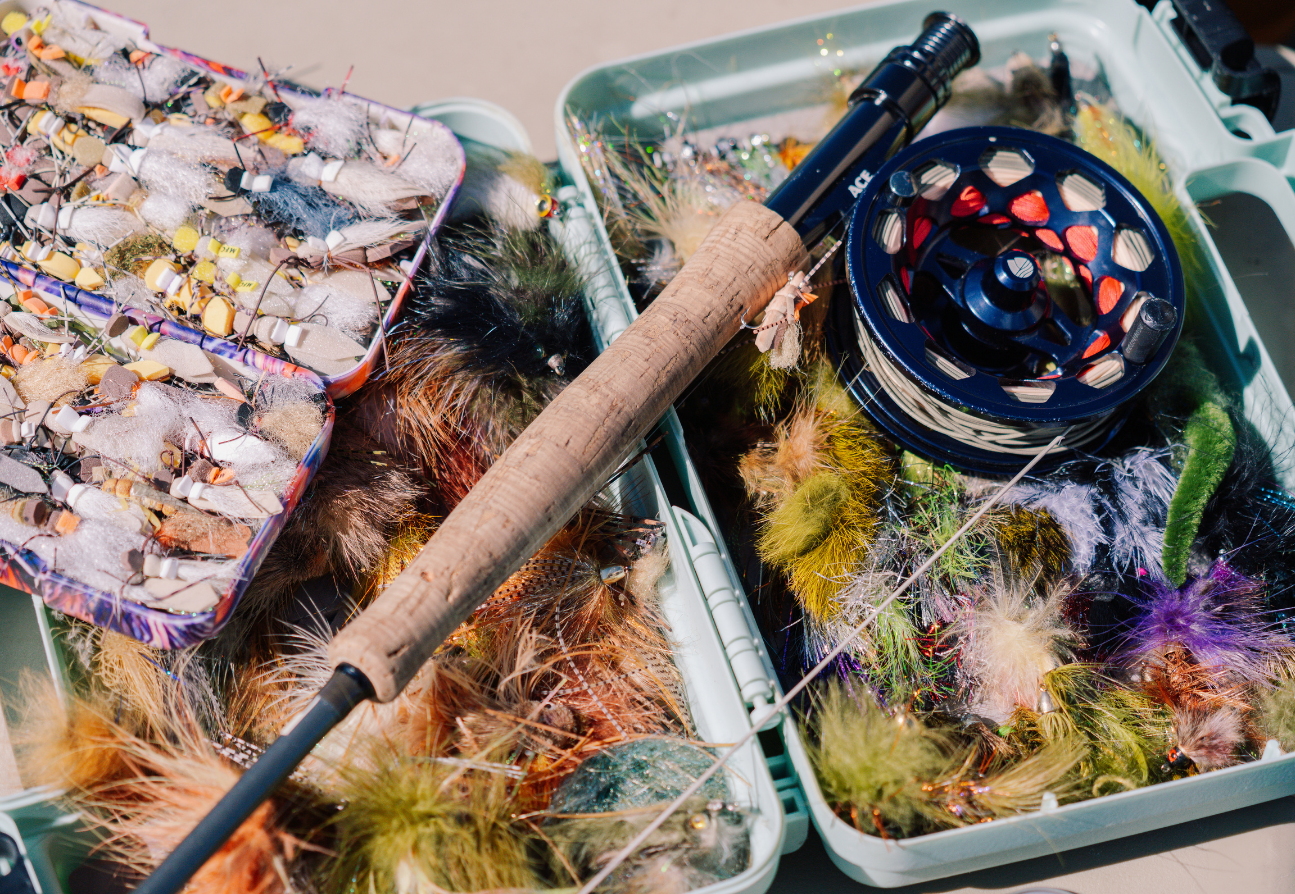
Fly fishing is built around imitation. Instead of using live bait, anglers use artificial flies made from materials like feathers, thread, hair, foam, and synthetic fibers to resemble the insects and other food trout naturally eat.
Choosing the right fly comes down to figuring out what the trout are feeding on and where they’re feeding.
Dry Flies for Surface Feeding
Dry flies float on the surface and generally imitate adult insects or terrestrials. If you’re seeing trout actively rising, a dry fly is often a good place to start.
Patterns such as the Parachute Adams can imitate mayflies and other small insects, making them a versatile option when trout are feeding on the surface. Elk Hair Caddis patterns imitate adult caddisflies, while larger foam flies can resemble stoneflies, grasshoppers, and other larger food sources.
Nymphs for Feeding Below the Surface
Not all feeding happens on top of the water. In fact, trout spend a significant amount of time eating below the surface.
Nymph patterns imitate the underwater stages of aquatic insects and can catch a trout’s attention before it ever has a reason to rise. Patterns like the Pheasant Tail and Prince Nymph can imitate several types of aquatic insects, making them useful options when you’re not seeing much surface activity.
Terrestrial Flies for Hoppers, Ants, and Beetles
Not everything trout eat starts its life underwater. Grasshoppers, ants, beetles, and other terrestrial insects can end up in the Snake River, giving trout an easy meal.
Larger foam patterns can be especially useful when fishing terrestrials. These flies are buoyant, easy to see, and can be effective when fished near banks and other areas where land-based insects are likely to fall into the water.
When to Fish a Dry-Dropper Rig
Sometimes you don’t have to choose between fishing the surface and below it.
A dry-dropper setup uses a buoyant dry fly with a smaller nymph suspended underneath. This puts two different food options in front of the trout and lets you fish two parts of the water column at once. A larger foam fly, such as a Chubby Chernobyl, can also act as an indicator for the nymph below it.
Flies to Keep in Your Box for the Snake River
There isn’t a single fly that will work every day on the Snake River, but there are several versatile patterns worth having available.
Chubby Chernobyl
A favorite throughout the West, the Chubby Chernobyl is a large, buoyant dry fly that can imitate stoneflies, grasshoppers, and other larger insects. Its ability to float well also makes it a popular choice for dry-dropper setups.
Parachute Adams
The Parachute Adams is a classic dry fly that can imitate a variety of mayflies and other small insects. It’s a useful pattern when trout are rising but you aren’t quite sure what they’re targeting.
Elk Hair Caddis
Designed to imitate an adult caddisfly, the Elk Hair Caddis sits high on the water and is a great pattern to have available when caddis are active.
PMD Patterns
Pale Morning Duns, commonly called PMDs, are an important mayfly on the Snake River. Carrying both dry and nymph PMD patterns gives you options depending on whether trout are feeding above or below the surface.
Pheasant Tail Nymph
The Pheasant Tail is a versatile nymph pattern that resembles several types of mayfly nymphs. It’s a great general-purpose option when trout are feeding below the surface.
Prince Nymph
Another versatile subsurface pattern, the Prince Nymph doesn’t perfectly imitate one specific insect. Instead, its general shape and movement can represent a variety of aquatic food sources.
Hopper, Ant, and Beetle Patterns
Terrestrial patterns are worth keeping in your box when land-based insects are active. Grasshoppers are the obvious choice, but don’t overlook smaller ant and beetle patterns, especially when trout aren’t responding to larger flies.
Let Conditions Choose Your Fly, Not Just the Calendar
There’s no single best time of year for fishing, since the Snake is constantly changing based on winter snowfall, temperature swings, wildfire smoke, and river flow. But you can adjust your fly selection based on these factors, and in turn, your odds of success. Spring and early summer can bring booming insect activity, while later in the summer and fall, cooler temperatures bring out more of the terrestrial bugs, such as grasshoppers and beetles. This is where the phrase “match the hatch” comes from! Around Jackson, Chubby Chernobyls, PMDs, caddis patterns, and hopper imitations are always worth having in your box, but learning to read the river will take you further toward becoming a better fisherman. For a deeper, season-by-season breakdown, check out our Snake River hatch guide, or take a look at our current fishing report before you head out.
Ultimately, what makes fishing the Snake so rewarding is understanding the ecosystem around you, and playing into it so that you can catch the most fish on your trip! At the end of the day, there’s not going to be a magic fly that does all the work for you, but that’s part of the fun. Conditions here on the Snake change constantly, and what the trout want one morning versus the afternoon could be completely different. Pay attention to what’s around you, play detective, Orvis’s guide to reading insect flight patterns is a great place to start, and when in doubt, don’t be afraid to switch things up.
Learn the Snake River With a Local Fly Fishing Guide
One of the fastest ways to learn what works on the Snake River is to fish it with someone who spends their days watching the river change.
Wandering Angler’s local guides can help you understand what trout are feeding on, how conditions influence fly selection, and how to read the water instead of simply tying on a fly and hoping for the best. Whether you’re new to fly fishing or looking to improve your skills, a guided trip in Jackson Hole gives you the chance to learn more about the Snake River while putting that knowledge into practice.
Frequently Asked Questions About Snake River Flies
What flies work best on the Snake River?
Parachute Adams and Elk Hair Caddis cover most dry fly situations, while Pheasant Tail and Prince Nymphs are reliable subsurface patterns. Chubby Chernobyls, PMDs, and hopper patterns round out a solid summer box.
When should I fish a dry fly vs. a nymph?
Fish a dry fly when trout are visibly rising to the surface; switch to nymphs when feeding activity is happening underwater, which is most of the time. Many anglers fish both at once with a dry-dropper rig.
What does “match the hatch” mean?
It means choosing a fly that closely resembles the size, shape, and color of the insects currently active on the river, rather than picking a fly at random.
What size flies should I use on the Snake River?
Size depends on the hatch and season — smaller patterns (size 16–20) tend to work for mayflies and midges, while stoneflies and hoppers run larger (size 6–10).
Do I need different flies throughout the year?
Yes. Spring and early summer bring heavier aquatic insect activity, while late summer and fall shift toward terrestrials like grasshoppers and beetles.