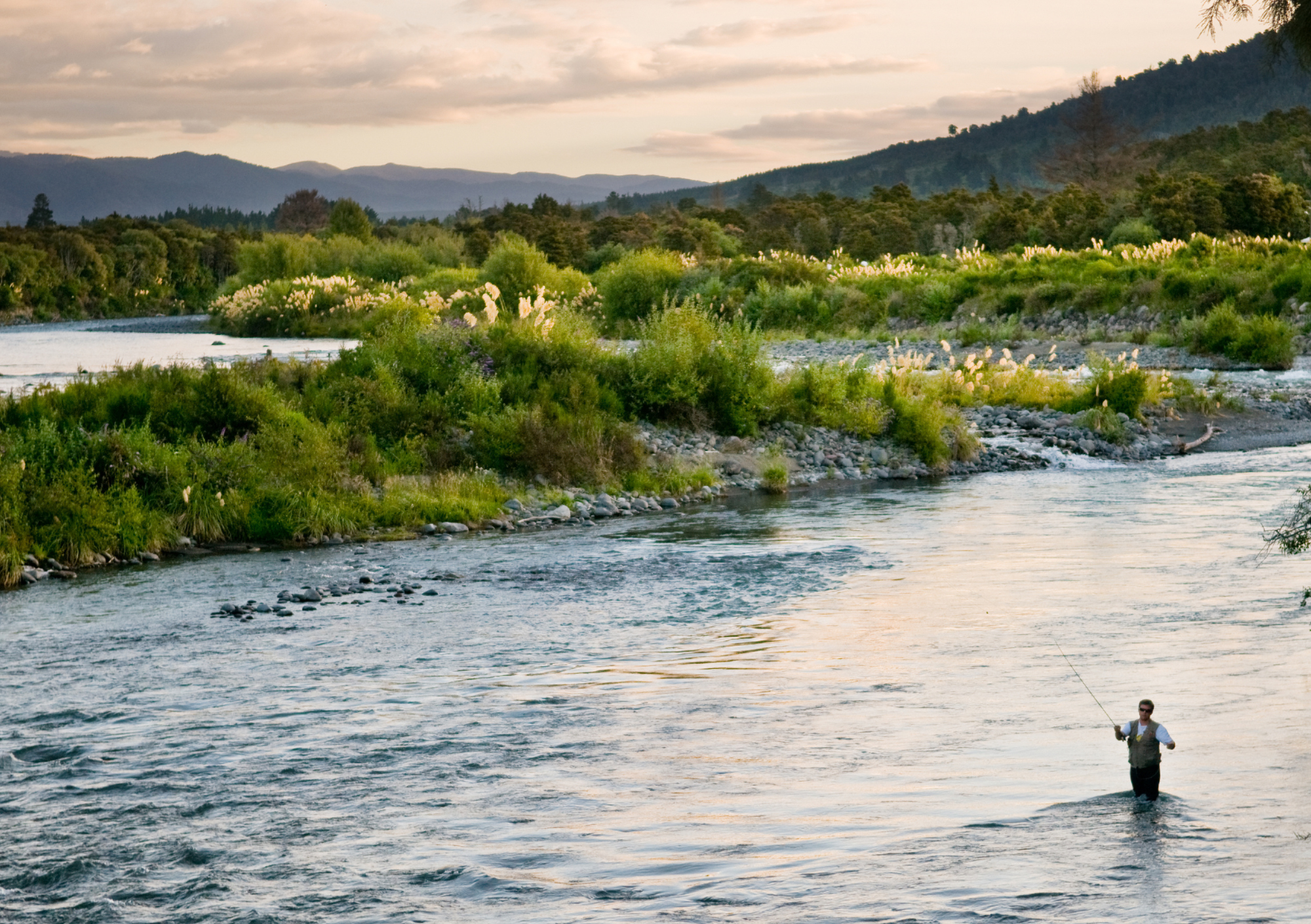
The American West is home to some of the most iconic fly fishing waters in the world. Scenic river corridors, thriving trout populations, and diverse fishing conditions combine to create unforgettable angling experiences no matter where you go.
If you’re planning a trip, these three fly fishing destinations offer exceptional fishing, stunning landscapes, and access to knowledgeable local guides who can deepen your understanding of each river’s culture, ecology, and best practices.
Tip: Hiring a local fly fishing guide is one of the best ways to maximize your success while learning about river stewardship and regional techniques.
3 of Our Favorite Fly Fishing Destinations in the West
Bighorn River, Montana
The Bighorn River is one of Montana’s most productive wild trout fisheries and a favorite destination for serious anglers. Located about three hours from Bozeman, this tailwater river offers consistent flows, prolific insect hatches, and impressive trout numbers.
What makes the Bighorn special:
High trout density and consistent action
Average trout size around 18 inches
Exceptional dry fly opportunities during prolific hatches
Strong nymphing success for beginner anglers
Species you’ll encounter:
Brown trout
Rainbow trout
Mountain whitefish
Access & logistics:
Access can be limited due to private and Tribal land ownership. Public access points include:
Afterbay Dam (public parking & launch)
Bighorn Access Site (13 miles downstream)
Wade fishing is permitted below the high-water mark. Lodging, campsites, and fishing access services are available throughout the corridor


Yellowstone River, Montana & Wyoming
The Yellowstone River is the longest free-flowing river in the Lower 48 and offers more than 200 miles of premium trout habitat set against breathtaking landscapes. Anglers often refer to it simply as “the Stone.”
Why anglers love the Yellowstone:
Vast, untouched river system
Diverse fishing sections with unique character
Outstanding scenery and wildlife viewing
Fish species:
Yellowstone cutthroat trout
Rainbow trout
Brown trout
Mountain whitefish
Fishing tips:
Drift boats and rafts provide the best access
Wading is possible in select areas
Regulations vary inside Yellowstone National Park
Be sure to follow National Park Service regulations when fishing within park boundaries. Lodging and camping options are plentiful in Yellowstone National Park and nearby gateway communities.
Snake River, Wyoming
Fishing the Snake River beneath the Teton and Gros Ventre mountain ranges blends world-class angling with unforgettable scenery. Widely considered the heart of fly fishing in Jackson Hole, it offers consistent opportunities to target native cutthroat trout in a truly iconic Western setting.
What makes the Snake River unique:
Home to the Snake River Fine-Spotted Cutthroat Trout
Classic Western river structure: pools, riffles, and deep runs
Scenic float fishing through the Jackson Hole valley
Best time to fish:
Late spring through early fall offers optimal temperatures and abundant hatches.
How to fish it:
Drift boats and rafts provide ideal coverage
Wade fishing is possible in select sections
Diverse water types reward anglers of all skill levels
For anglers planning fly fishing Jackson Hole adventures, Wandering Angler offers both float fishing trips and guided wade fishing trips, providing expert guidance and access to the Snake River’s most productive waters. We’re here to help you plan the right trip for your goals, experience level, and the season you choose to fish!

Planning Your Western Fly Fishing Trip
The Western United States offers endless opportunities for anglers, but the Bighorn, Yellowstone, and Snake Rivers consistently deliver outstanding fishing and unforgettable scenery.
When planning your trip:
Research seasonal hatches and water conditions
Respect access regulations and private land boundaries
Consider hiring a local guide for safety, insight, and success
Match your trip timing with your preferred fishing style
If your travels bring you to Wyoming, fishing with Wandering Angler in Jackson Hole provides local knowledge, seasonal insight, and access to some of the Snake River’s most productive waters. Our guided float and wade trips help anglers of all skill levels make the most of time on the river.
Whether you’re chasing rising cutthroat on a summer evening or drifting through golden fall landscapes, these rivers offer the kind of fishing experiences anglers remember for a lifetime.
FAQ: Fly Fishing Destinations in the American West
What are the best fly fishing rivers in the American West?
Some of the most respected rivers include Montana’s Bighorn River, the Yellowstone River, and Wyoming’s Snake River. Each offers strong trout populations, diverse fishing conditions, and scenic Western landscapes.
Which river is best for beginner fly anglers?
The Bighorn River is a great option for beginners due to its high trout density and productive nymphing opportunities. Guided trips can further improve success for new anglers.
When is the best time to fly fish these Western rivers?
Late spring through early fall provides the most consistent fishing conditions. Summer offers prime dry fly action, while fall brings aggressive trout and fewer crowds.
Do I need a guide to fish these rivers?
A guide is not required, but hiring a local fly fishing guide can improve success, provide access insights, and help anglers understand local techniques and river etiquette
What species of trout can I catch?
Across these rivers, anglers commonly catch brown trout, rainbow trout, Yellowstone cutthroat trout, Snake River fine-spotted cutthroat trout, and mountain whitefish.
What gear should I bring for Western fly fishing?
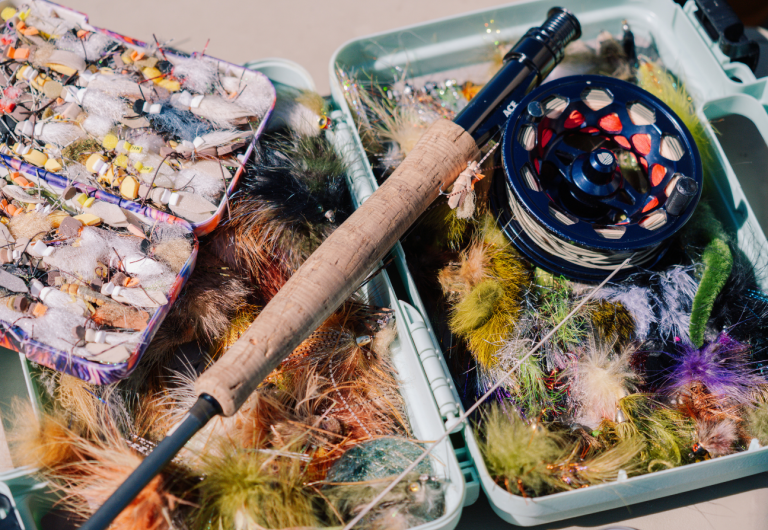
Typical setups include a 9-foot 5–6 weight fly rod, floating line with nymph and dry fly setup, waders and sturdy boots, and layered clothing for changing weather. Local fly shops can provide hatch-specific fly recommendations.
Are permits or regulations required?
Yes. A valid state fishing license is required, and special regulations apply within Yellowstone National Park. Always check local rules before fishing.